It’s always exciting to start sowing seeds for the new year, and as we’ve said before, peppers take a fair while to grow, so they’re our first! This year we had planned to focus on sweet peppers rather than chillies – although we like the odd chilli in a chill con carne or curry or similar – we just don’t eat enough of them to justify growing too many. That being said, after scouring the seed catalogues and online, we’ve ended up growing a few again!
As always, there are some new varieties to us that we’re trying, but also several firm favourites.
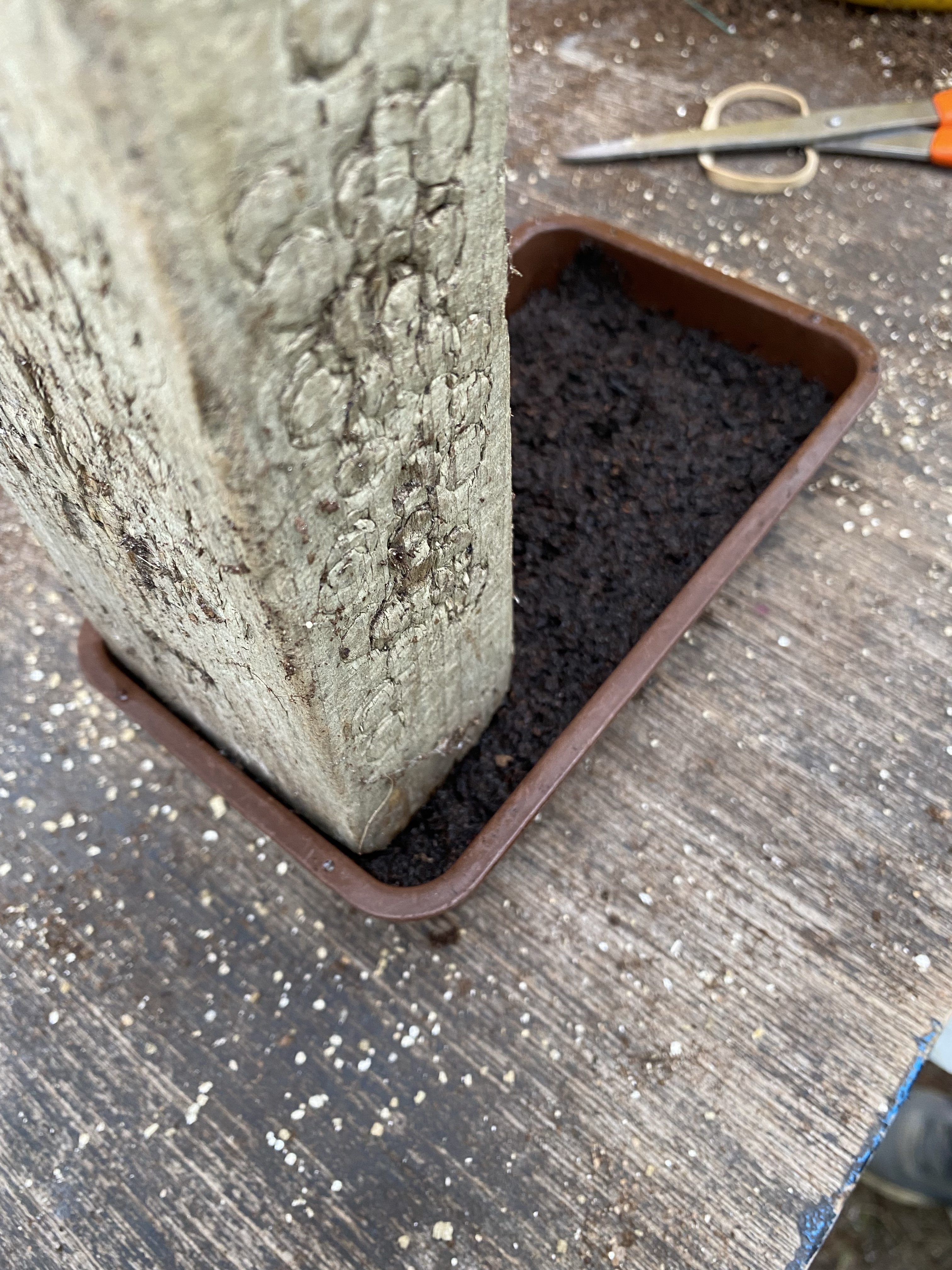
As with all seed sowing, the key is in the preparation. Therefore, we filled a few 1/4 seed trays with some seed sowing compost, lightly watered, and then compressed ever so slightly with a piece of baton. Although seed sowing compost is not 100% essential, we would definitely recommend seeking one out (or at least something similar) to give your seeds the best chance of germinating. When looking for a good compost for sowing seeds in, you want something that is light and fine, rather than lumpy or full of large bits of material such as bark, etc. A finer texture gives seeds – especially the tiny ones – a much better chance of getting a root down than if it comes across a large chunk of material when it tries to do so.
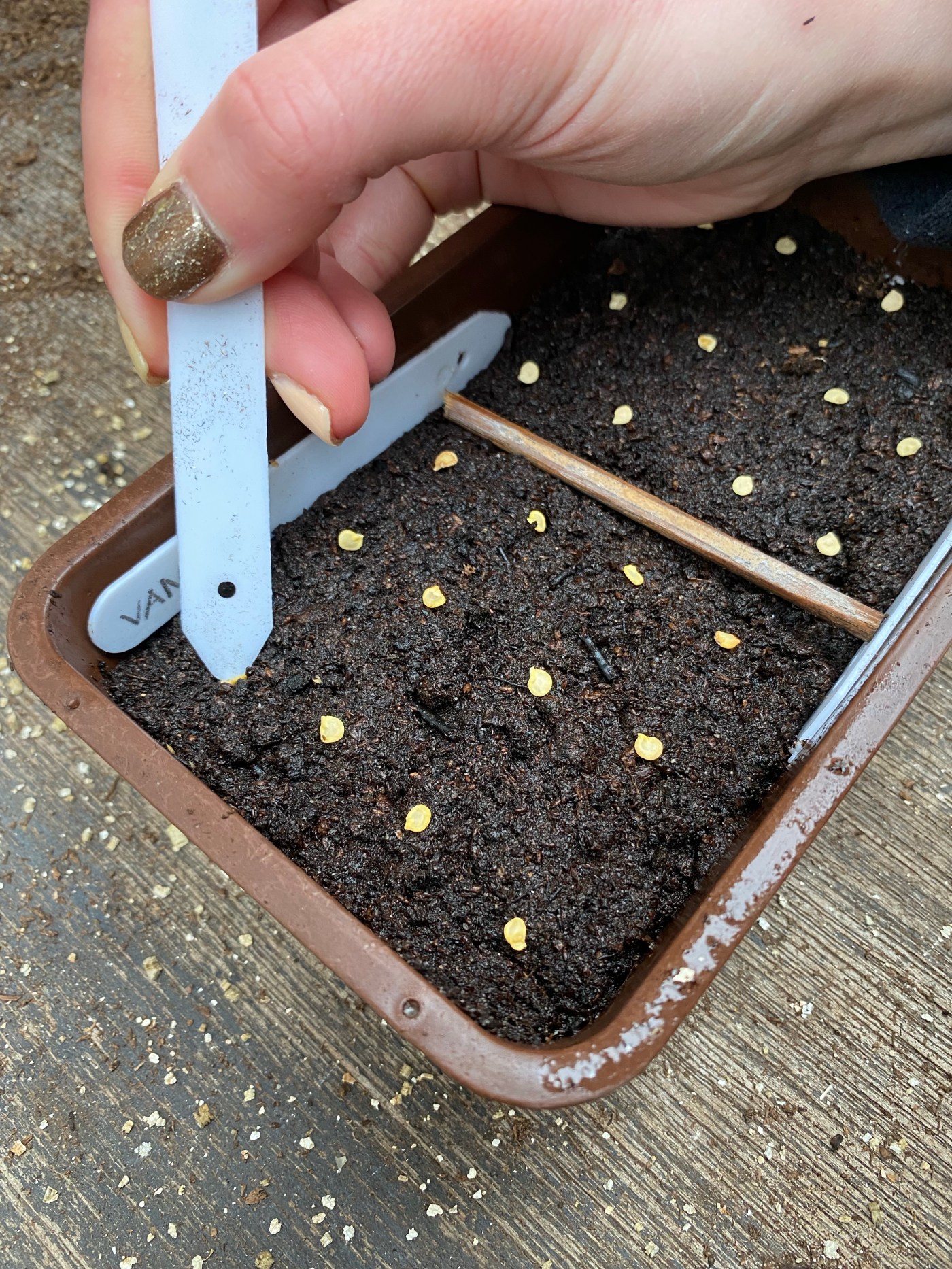
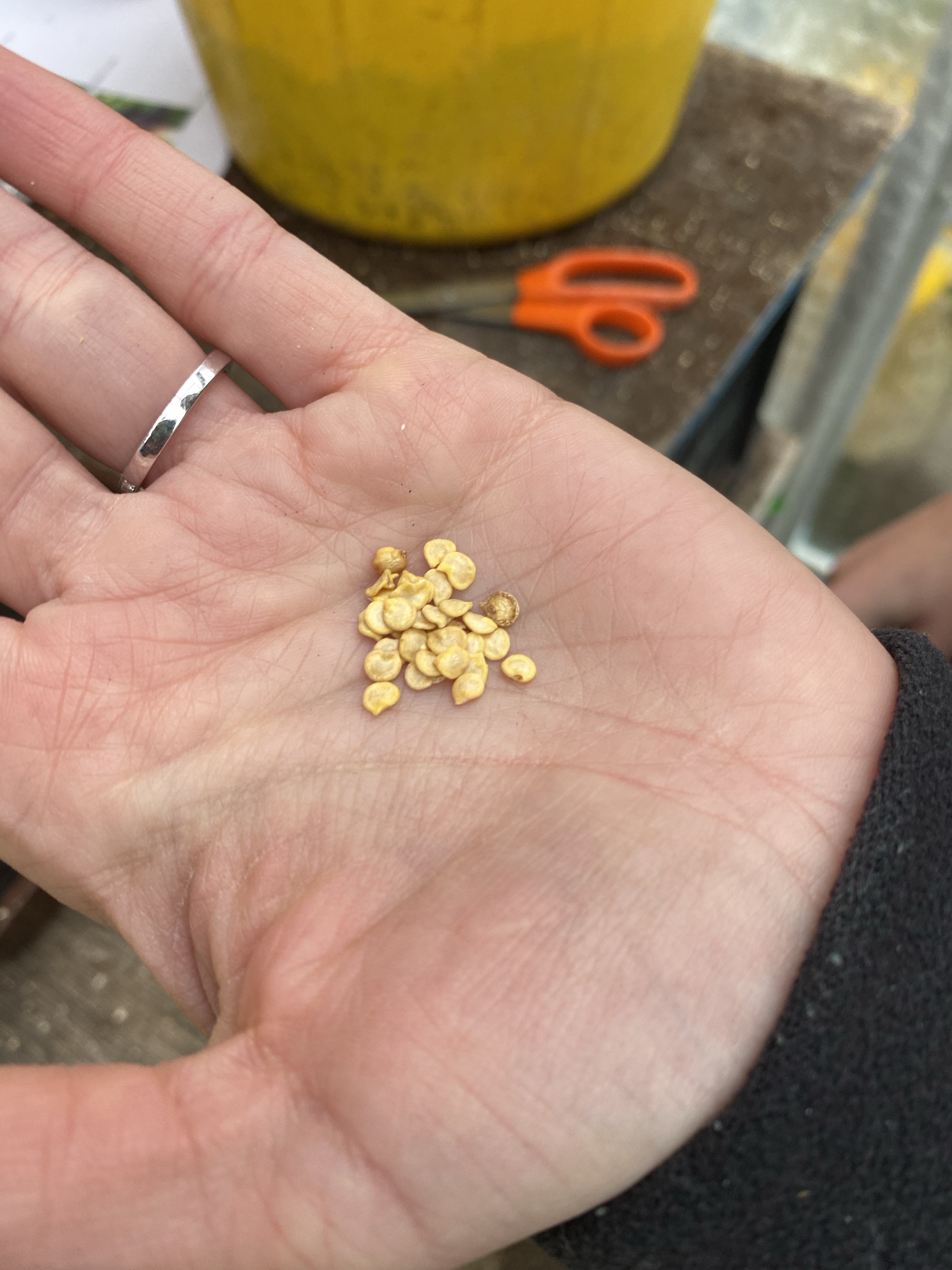
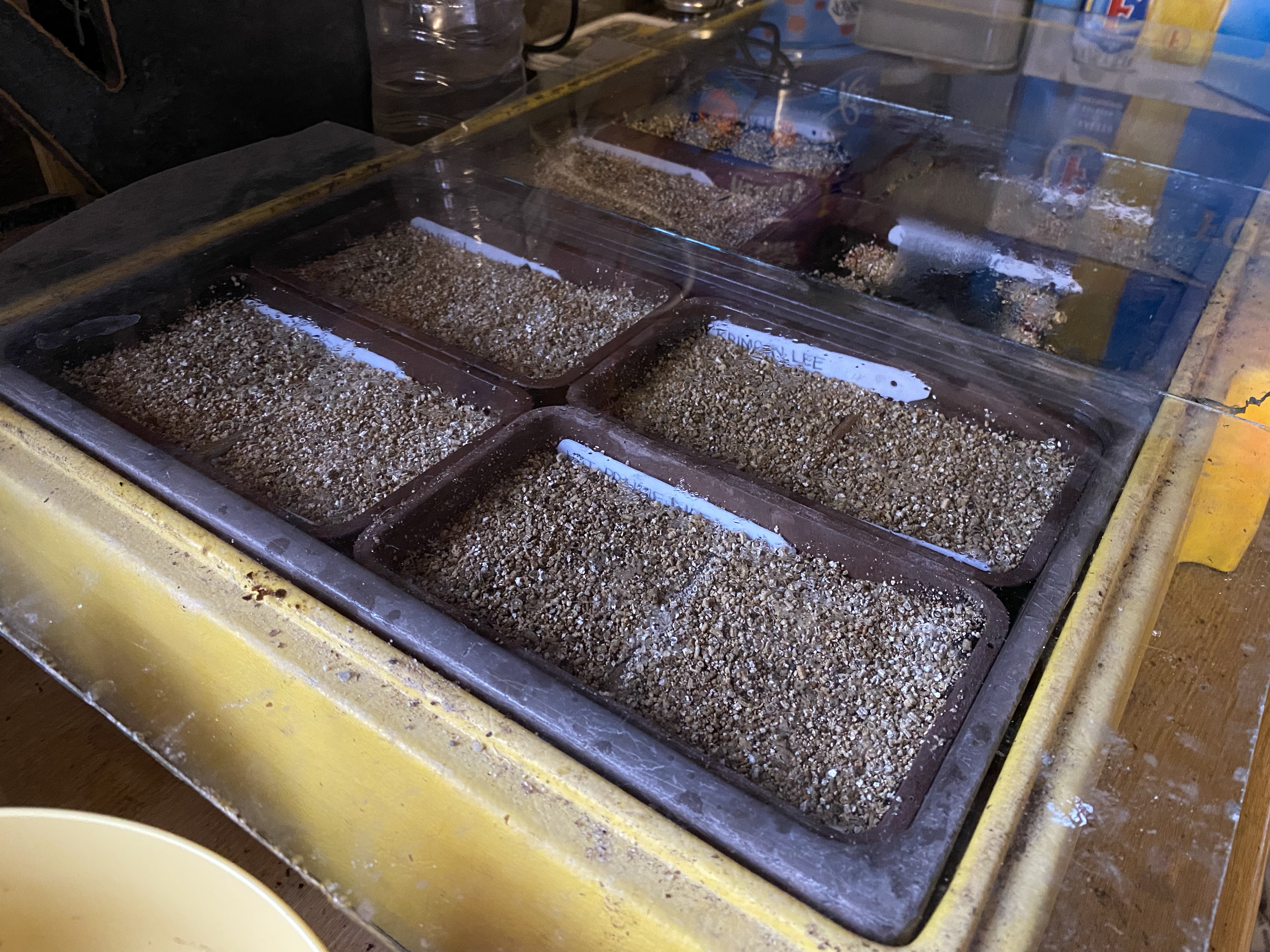
Once the seed trays are prepared, it’s time for the fun bit – sowing the seeds themselves! As we’ve mentioned before, we prefer to place the seeds in the seed tray as we go along, rather than scattering them willy-nilly and then having a real struggle to separate the seedlings when it comes to pricking out. As we only wanted to sow a few seeds of each variety, we split the seed trays in half using small canes as separators and then placed our seeds (and their respective name labels!) at either end.
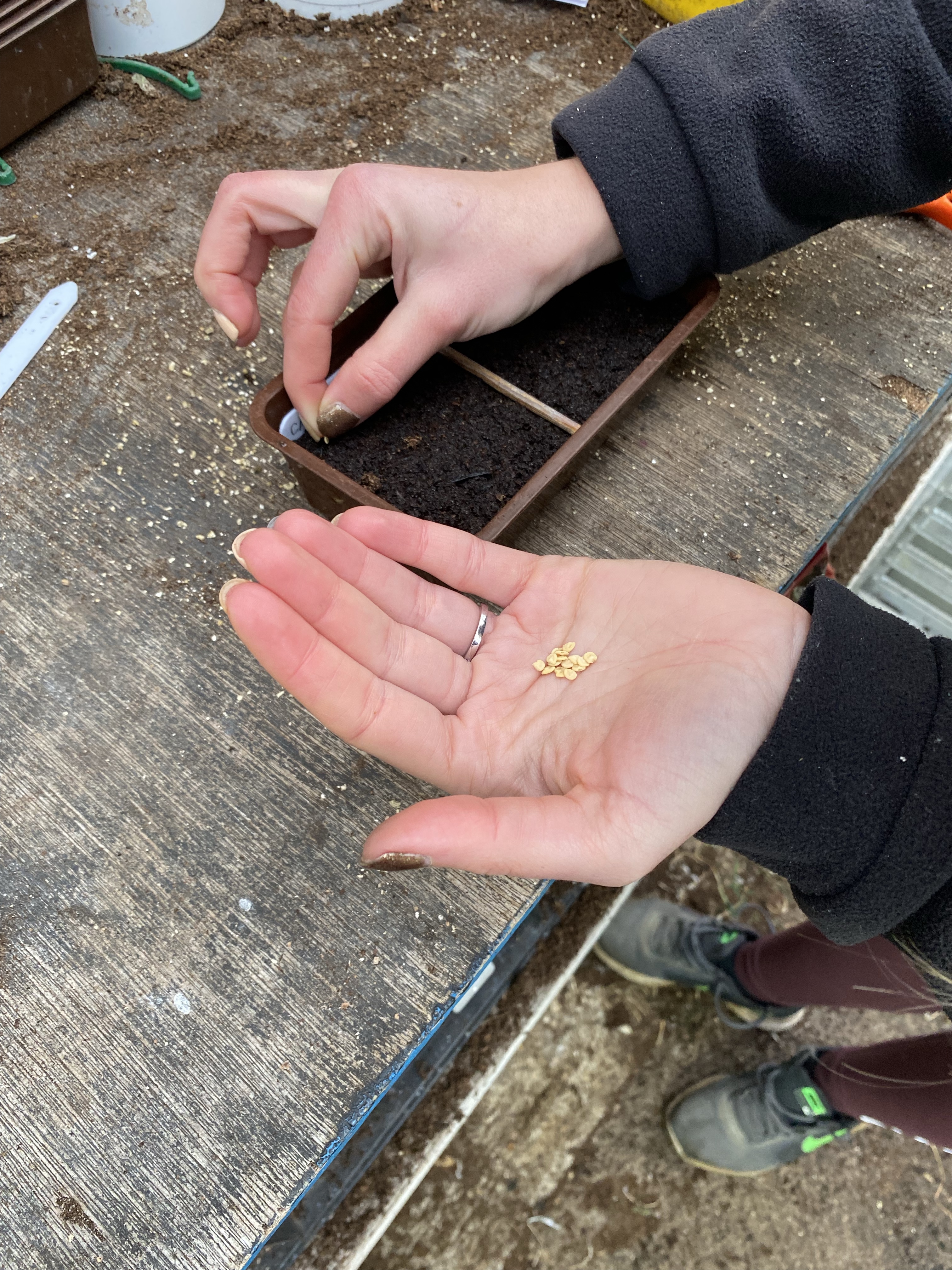
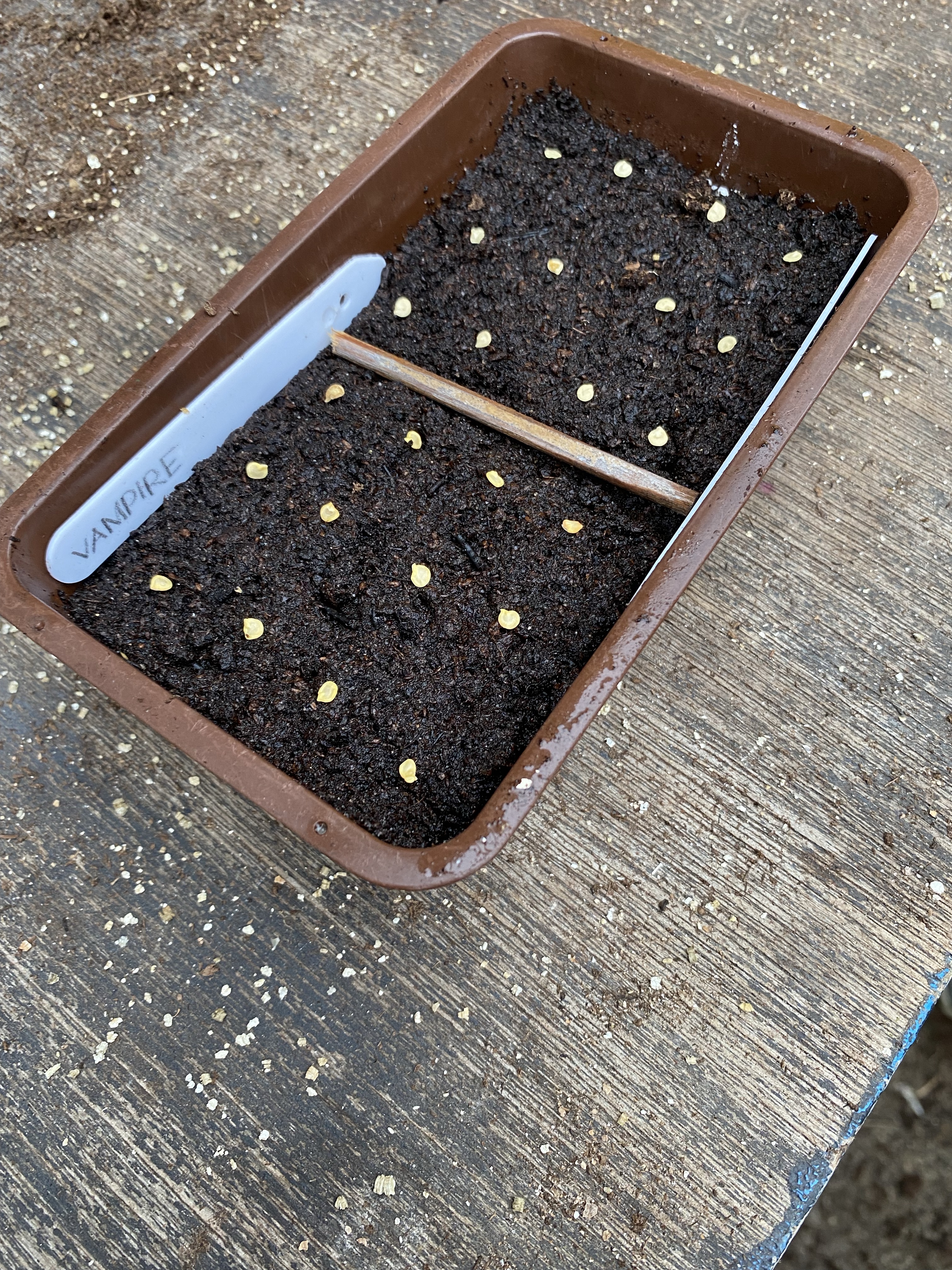
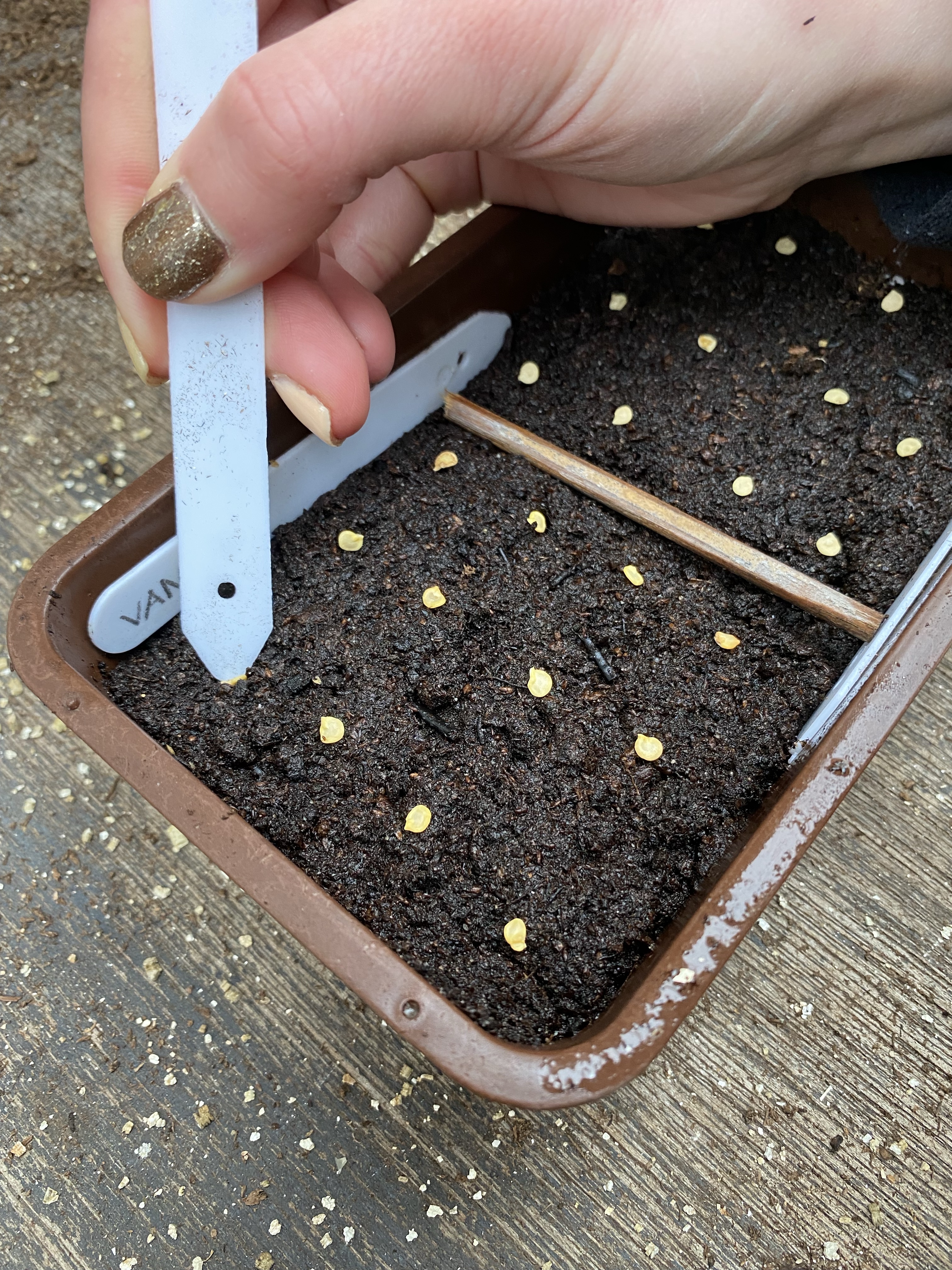
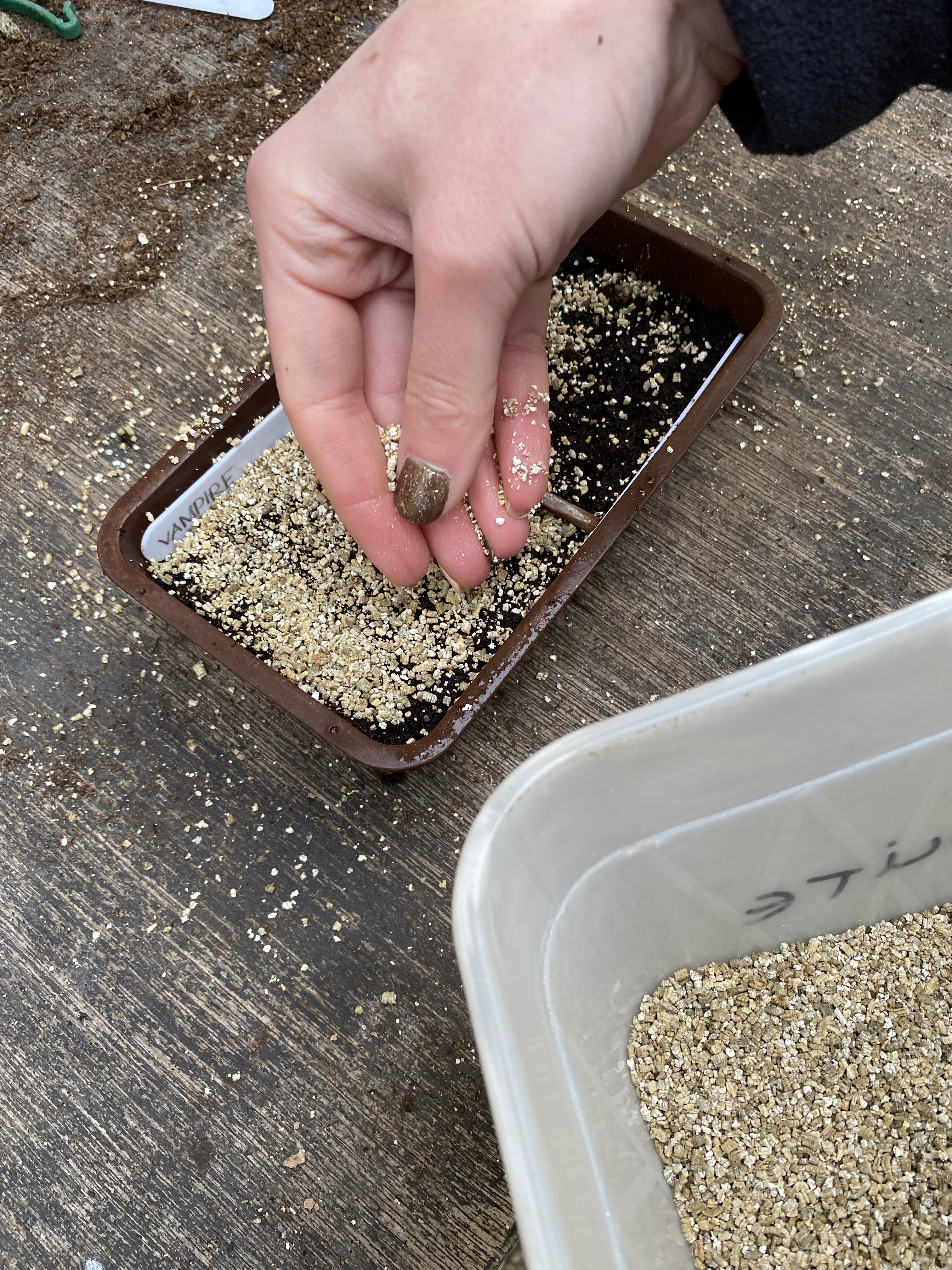
Before covering, we used a seed label to gently push each seed slightly into the compost so it sat in its own little indent. Following this, we covered with a fine covering of vermiculite to exclude the light whilst the seeds germinated. Although not for all, the vast majority of seeds need the light to be excluded in order to germinate.
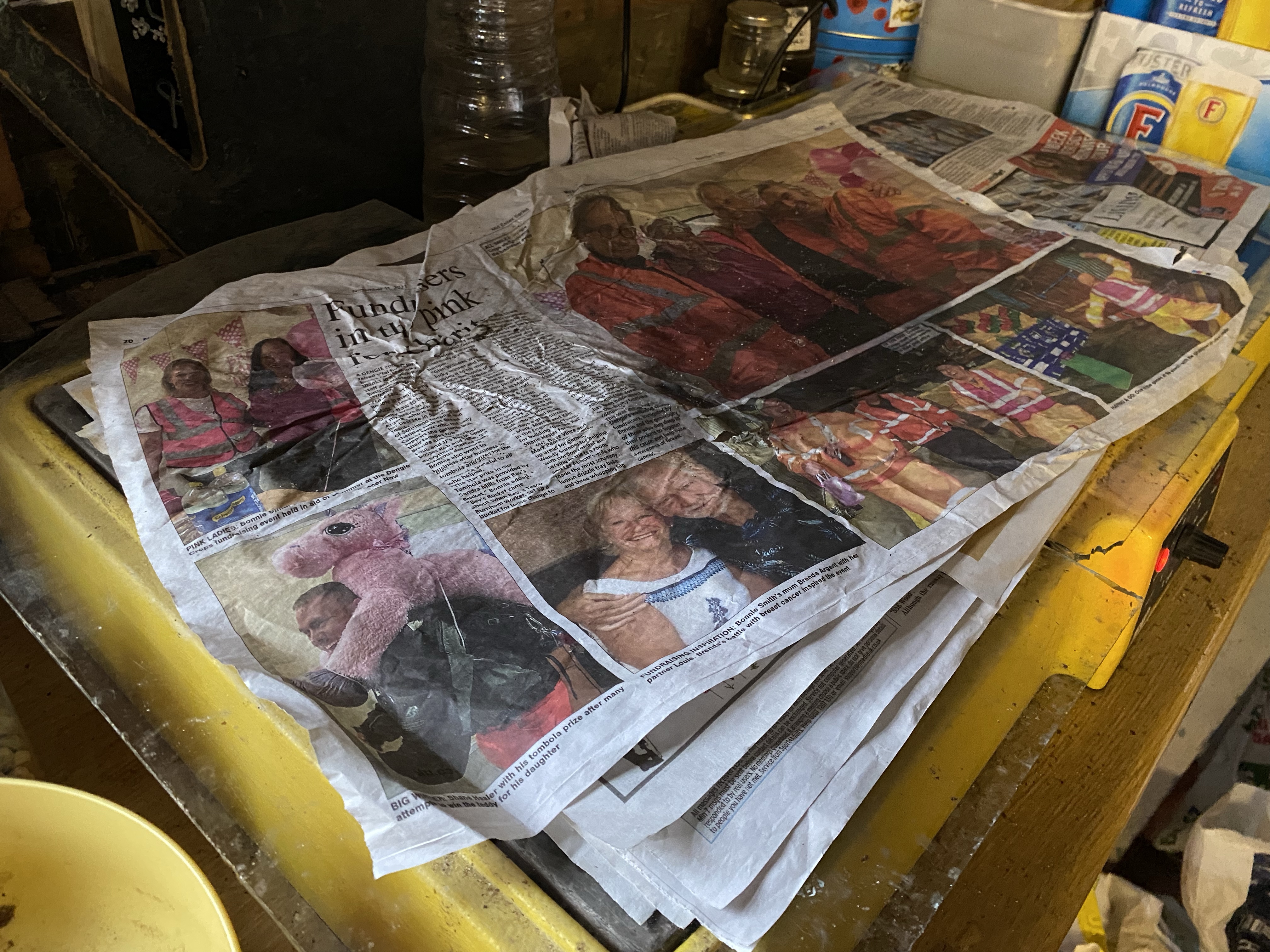
As we were sowing peppers, these require some heat in order to germinate. Therefore, we placed them on the propagator under some sheets of glass and covered in old newspaper to further exclude the light. It will be a little while (up to 2 weeks) before they germinate we’d estimate, but we’ll keep you updated! We will check the seed trays under the propagator every day or so in the meantime though to check the seeds haven’t germinated, and also to spray with a fine mist of water if the compost looks to be drying out.
More details on the varieties we’ve chosen for this year in our next post!
 It's Sow Simple
What temperature is the propagator Emily ?
LikeLike
Hi Bill – we keep it at 18-20 degrees Celsius 🙂
LikeLike
Thanks Emily, mine are under way !
LikeLiked by 1 person